Sign In
Upcoming Event
 Free Newsletter


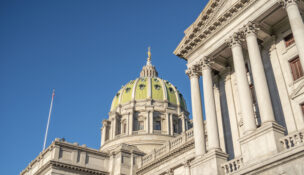
The Equal Pay Law is aimed at expanding protections against wage discrimination due to gender, race, or ethnicity. PHOTO/GETTY IMAGES
Pa. House passes Equal Pay Law to curb wage discrimination
Ed Gruver//May 8, 2024//


 Listen to this article
The Equal Pay Law, which would expand protections against wage discrimination, has been passed by the Pennsylvania House of Representatives.
House Bill 98 was introduced by state Reps. Donna Bullock, D-Philadelphia, Melissa Shusterman, D-Chester, and Jenn O’Mara, D-Delaware, and would prohibit employers from discriminating and paying workers less due to gender, race, or ethnicity. In addition, the legislation would add protections for retaliation and increase monetary penalties from $50-$200 to $2,500-$5,000 in cases where employers discharge or discriminate against an employee for filing a complaint.
“It’s well known that women, and especially women of color, have been insufficiently paid in the workplace. This is despite doing the same tasks, performing the same jobs, and sometimes doing them much better than our counterparts,” Bullock said in a statement. “This is a step toward economic justice. We moved this legislation forward to ensure all Pennsylvania workers receive equal pay for equal work and eradicate wage disparity once and for all. It’s time for the Senate to do the same.”
The bill would enhance pay transparency by requiring employers to include the expected compensation or the range for any position the employer publicly advertises as a job opening and to a prospective employee applying for employment upon reasonable request.
“We could add a staggering $482 billion to the U.S. economy by ensuring equal pay for equal work. We’re talking billions in lost wages for women that they could spend on basic necessities, like food and clothing for their families,” said Shusterman. “Simply by paying women what they’ve earned, we could reduce the number of working women and single mothers living in poverty by half. This bill is about valuing women, and it’s long overdue.”
O’Mara said the gender pay gap disproportionately affects working mothers, as statistics reveal they’re bringing home some 70 cents to every working father’s dollar.
“This creates the harsh economic reality for some families that it makes more sense financially for a mother to sacrifice her career in order to save on childcare expenses,” O’Mara said. “However, by backing policies like ours that promote gender equity in the workplace, we move closer to closing the gender pay gap. It’s about ensuring women aren’t paid less than men for the same work. All Pennsylvanians should have the opportunity to work hard, contribute to society, and support themselves and their families.”
H.B. 98 moves to the state Senate for consideration.
The PA Chamber of Business and Industry opposes HB 98 and stated that the legislation “represents a paradigm shift in how employers are governed under the 65-year-old law, including replacing the ‘equal work’ standard with a far more subjective and vague ‘comparable work’ standard and adding new ambiguous definitions throughout the law.”
The Chamber argues that the bill would “essentially gut the exceptions section of the Equal Pay Law. Anyone familiar with operating a business knows that pay disparities often do exist, and for reasons that have nothing to do with discrimination.”
HB 98, the Chamber adds, “will expose honest, law-abiding employers to lawsuits and severe penalties, which may particularly harm small businesses. The bill includes other concerning provisions, including restricting what employers may ask job applicants related to wages, significantly increasing penalties, providing new opportunities to sue employers, and allowing for uncapped punitive damages. In short, this legislation would harm Pennsylvania’s business climate and make it more difficult to attract employers.”