Sign In
Upcoming Event
 Free Newsletter

A Conversation With: Michael Drabenstott of Drabenstott Communications Group
Stacy Wescoe//April 3, 2020
A Conversation With: Michael Drabenstott of Drabenstott Communications Group
Stacy Wescoe//April 3, 2020//


 Listen to this article
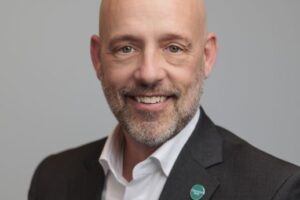
Michael Drabenstott, president, Drabenstott Communications Group is a marketing and PR adviser with more than 30 years of experience counseling companies, institutions and not-for-profit organizations on how to communicate more effectively. He’s worked with everyone from Fortune 500 companies to entrepreneurial start-ups to help them hone and refine their messaging platform then deliver it as effectively and efficiently as possible.
LVB: While many businesses are struggling because of COVID-19 shutdowns, they also have an unprecedented opportunity to reach a “captive audience” sheltering at home. What are the opportunities?
Drabenstott: People are spending even more time looking at screens as they look to gather information and stay connected. Facebook usage is up 40%. Instagram impressions are up 21%. YouTube is seeing higher demand.
The opportunity to reach the captive audience also presents a challenge. There’s a lot of noise out there and you’re competing with urgent, unpredictable news. The key is to communicate in ways make you look different from others why staying true to your brand. It’s an opportunity to show empathy and build relationships with audiences through ongoing communications rather than a scattershot approach.
But you can’t stop at digital efforts. Find a way to move beyond the screens. Real phone calls from real people with a reassuring message to core customers or donors (at a not-for-profit) to check in and listen (not to sell) can go a very long way now. People have more time to look at and read mail, too.
LVB: How should companies be shifting their marketing efforts to adapt to the sudden changes in where consumers are seeking information and content?
Drabenstott: Marketing centers on meeting needs in the marketplace. In our current situation, there are urgent needs – reliable information, food, toiletries, healthcare services – and less urgent ones, for example, entertainment, exercise and social connection (at an appropriate distance, of course.)
Yes, consumers are seeking information and content. But they also have needs to meet in the safest, most efficient, most reliable way possible. So safety, speed and dependability are essential. Look at your communications efforts and — just as importantly — how you deliver products and services from your organization to the consumer and find ways to do it faster, safer, and more dependably.
LVB: Nationally, many companies, like car manufacturers are already adapting their message to meet the new reality. How do you rate their response?
Drabenstott: The response by national companies has been mixed. To their defense, many are concerned first with how their business model must shift over the next six to 12 to 18 months for them to survive. That model, that strategy needs to inform communications.
The companies that aren’t doing it well are the ones that decided not to adjust their outbound communications messaging evident in e-mails, ads or social media. They appear blind to the magnitude of the situation. The ones that are doing it better are showing empathy for the plight of their customers and appreciation for those on the front line, be they medical professionals or their own employees. The best ones will find ways to move beyond the message into services and products that improve people’s lives during this crisis and beyond.
LVB: Locally, what are some of the best practices you’re seeing in staying connected with consumers during the coronavirus?
Drabenstott: We’re starting to see creative ways around the impediments that social distancing has caused. A great example is supporteaston.com, which was put together by the Greater Easton Development Partnership (one of my clients), to centralize information about restaurants and stores that are serving the public in new ways. Greenhouse Enoteca, a restaurant here in the West End Theatre District of Allentown is offering hearty family-style meals (not their entire menu) several nights a week and communicating by social media and e-mail.
At the D&L National Heritage Corridor, where I’m chair of the board, we decided that we would call every one of our members over a week to check in and get their perspective on the D&L Trail and their communities. Moreover, we will likely see some temporary practices become permanent after the crisis is over once we realize how effective they were.
-By Stacy Wescoe