Sign In
Upcoming Event
 Free Newsletter


DENIS SHEVCHUK/GETTY IMAGES
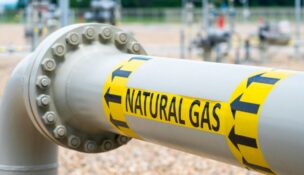
Natural gas impact fee brings over $164M to PA
Ed Gruver//June 24, 2025//


-
Natural gas impact fee generated $164.5 million in 2024
-
Total collected since 2012 surpasses $2.88 billion statewide
-
Funds support infrastructure, safety, environment, and jobs
Pennsylvania‘s natural gas impact fee generated $164.5M in 2024, fueling local projects, job growth, and nearly $3B in statewide investments since 2012, the Pennsylvania Public Utility Commission (PUC) announced.
The PUC’s latest report on impact fee collection and distribution showed that the total revenue collected since 2012 is over $2.88 billion.
“Natural gas is fundamental to Pennsylvania’s economy and future, pumping millions of dollars annually into communities and state programs while providing essential energy for households and businesses,” American Petroleum Institute Pennsylvania Executive Director Stephanie Catarino Wissman said in a statement. “Natural gas benefits every corner of the Keystone State, channeling critical funding into dozens of road and bridge repairs, park and conservation projects, public safety and other community needs, demonstrating how this one-of-a-kind program is working for Pennsylvanians.”
Over the past 12 years, the impact fee has provided a consistent stream of funding to all 67 Pennsylvania counties – even regions without industry activity, according to a release. Funds can be used for infrastructure improvements, emergency services, economic development projects, and environmental protection.
In 2022, the industry contributed more than $6 billion in local, state and federal tax revenues, according to a Marcellus Shale Coalition economic impact study. The sector supports over 120,000 family-sustaining jobs, with average wages approaching $100,000 – more than double the state median.
“Natural gas development delivers real, measurable benefits for Pennsylvania communities – driving job creation, powering economic growth and strengthening energy security,” said Jim Welty, president of the Marcellus Shale Coalition. “Beyond these core advantages, this industry continues to invest in projects that improve quality of life across the Commonwealth. The impact fee alone has generated nearly $3 billion since 2012 – a clear, bipartisan policy success that reinforces the broad, lasting value of Pennsylvania’s natural gas resources.”
Natural gas production continues to translate into real-world cost savings for consumers, per the release. Households and businesses that use natural gas across the commonwealth saved nearly $10 billion last year compared to 2008 prices, an MSC analysis of Pa. PUC data shows.
“The natural gas impact fee provides critical financial support to communities across Pennsylvania. Pennsylvania developed a first-in-the-nation plan to fund communities directly rather than passing money to the state capital first and hoping it made its way to impacted communities,” said Pennsylvania State Association of Township Supervisors executive director David Sanko. “These funds enable townships and other municipalities to invest in key priorities such as water and sewer upgrades, road and bridge improvements, public safety, and affordable housing initiatives.”
The impact fee, outlined in Act 13 of 2012, is based on the average annual price of natural gas on the New York Mercantile Exchange and the age of the well. Under Act 13, the PUC is responsible for collecting and distributing the impact fee to state agencies and local jurisdictions.
The PUC reported that county and municipal governments with drilling operations will receive $86.5 million, while $20.4 million will be distributed to state agencies. Additionally, $57.7 million will be transferred to the Marcellus Legacy Fund, which provides financial support for environmental, highway, water and sewer projects, greenways and other projects in every county of the state.
“As the second-largest natural gas-producing state in the nation, Pennsylvania helps provide the affordable energy that Americans rely on to power their homes and supports tens of thousands of jobs while reducing carbon emissions in the power sector to the lowest levels in a generation,” said Wissman. “This is Pennsylvania’s energy advantage, and it underscores the importance of pro-energy, pro-growth policies and timely, predictable permitting to strengthen it.”