Sign In
Upcoming Event
 Free Newsletter


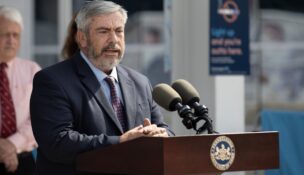
Governor Josh Shapiro joined Secretary of the Commonwealth Al Schmidt, health care leaders, and lawmakers at WellSpan Education Center to announce that Pennsylvania is a full participant in three health care licensure compacts. PHOTO/PACAST
PA officially joins health care licensure compacts to ease shortages
Ed Gruver//July 8, 2025//


-
Pennsylvania fully joins three major health care licensure compacts
-
Doctors, nurses, and physical therapists can now work across state lines
-
Move helps address critical staffing shortages in underserved areas
Pennsylvania has officially joined three licensure compacts to help doctors, nurses, and physical therapists work across state lines and ease health care staffing shortages.
Governor Josh Shapiro joined Secretary of the Commonwealth Al Schmidt, health care leaders, and lawmakers at WellSpan Education Center in York Monday to announce that Pennsylvania is a full participant in three health care licensure compacts that make it easier for qualified doctors, nurses, and physical therapists to provide care across state lines.
Rather than requiring months to complete the full licensure process, because of full compact participation, out-of-state practitioners are now able to contribute to Pennsylvania’s health care workforce within days — helping to meet staffing needs and improve access to care.
With states across the country facing health care workforce shortages, Pennsylvania’s full participation in the Interstate Medical Licensure Compact (IMLC), Nurse Licensure Compact (NLC), and Physical Therapy Licensure Compact (PT Compact) gives more than 300,000 nurses, nearly 65,000 doctors, and more than 17,000 physical therapists additional flexibility to practice in dozens of states — while also allowing licensed providers from other states to work in Pennsylvania.
“Thanks to the diligent, continuous hard work of the Department of State – and the support of bipartisan leaders in the House and Senate — we’ve finally leveled the playing field for doctors, nurses, and physical therapists in Pennsylvania,” Shapiro said in a statement. “We listened to nurses, doctors, and lawmakers who called on us to fully implement these health care compacts, and we got it done.
“At a time when Pennsylvania is facing real health care worker shortages — from hospitals to home care — this move will make it easier to attract and retain qualified professionals and help fill critical gaps in care across the commonwealth,” added Shapiro.
According to a release, health care compacts streamline the application process, allowing qualified professionals to prove they meet licensing requirements to provide care in multiple states — helping address shortages and expand access to care.
“Since Governor Shapiro took office, the Department of State has worked diligently with the U.S. Department of Justice, Pennsylvania State Police, and a bipartisan collection of Congressional allies to complete the steps necessary for Pennsylvania to fully participate in these compacts,” said Schmidt. “Previous administrations began the work, but after years of waiting, the Shapiro Administration finally got it done.”
WellSpan Health Senior Vice President and Chief Nursing Executive Patty Donley said the compact will have a positive impact on both patients and team members.
“By streamlining licensure processes, we will now be able to respond faster to patient needs and ensure continuity of care across state lines,” said Donley. “For health systems like ours at WellSpan, this means there will be more support and more time to focus on what matters most: our patients.”
Pennsylvania is confronting health care workforce shortages that affect communities across the commonwealth. More than 850,000 Pennsylvanians live in areas identified by the federal government as having too few health care providers. Some 14% of nursing jobs across the state are vacant; the rate rises to 26% in rural areas. By 2026, Pennsylvania is projected to face a shortage of 20,000 nurses.
Compacts help address these shortages by making it easier for qualified medical professionals from dozens of states to come and work, and by creating new job opportunities for Pennsylvanians.